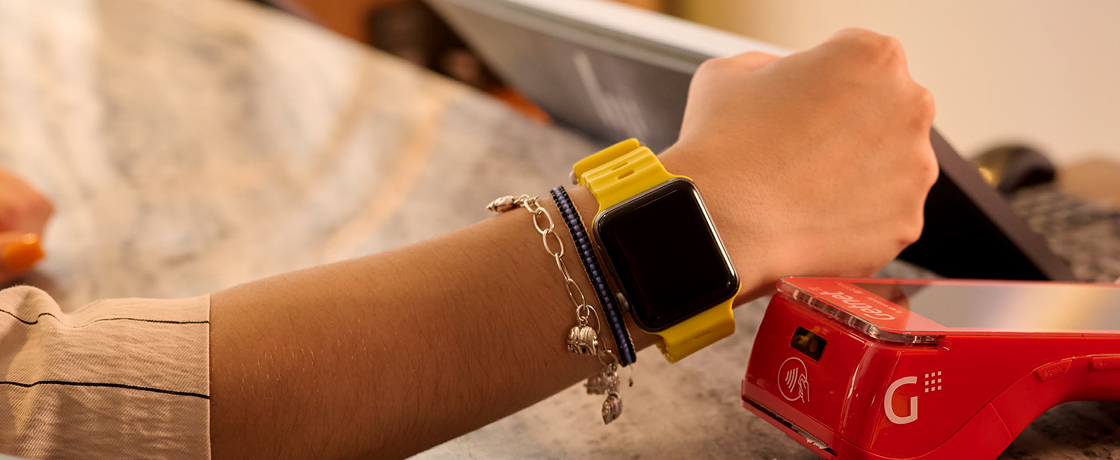
While instant payment networks vary from region to region, they all exist to give consumers and businesses a convenient and low-cost way to move their money in real time. Two different approaches are emerging. Latin America has largely built consumer-facing instant payment ecosystems around nationally led schemes. Europe, is building common instant payment infrastructure, while consumer-facing payment preferences remain local.
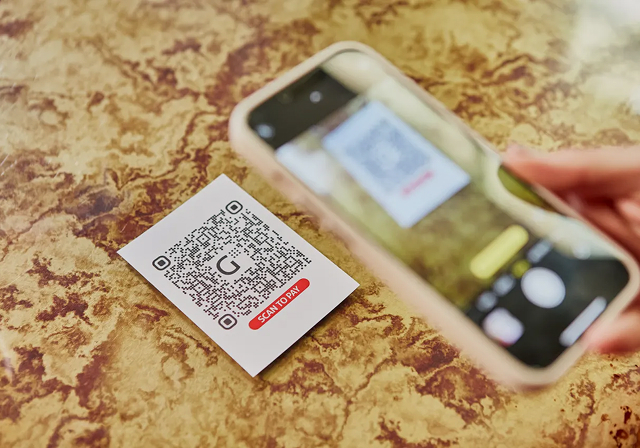
Brazil’s Pix is one of the clearest examples of LatAm’s approach. Despite being less than a decade old, Pix has already demonstrated how government-backed, interoperable payment systems can rapidly transform payment behaviour. Users link a phone number, email, tax ID, or random key to their bank account and scan static or dynamic QR codes on phones to pay bills or shop.
Such was its popularity that within its first year of launch, the system saw over 107 million registered users while handling three times the volume of traditional transfers. Five years on, and Pix is approaching 8 billion monthly transactions.
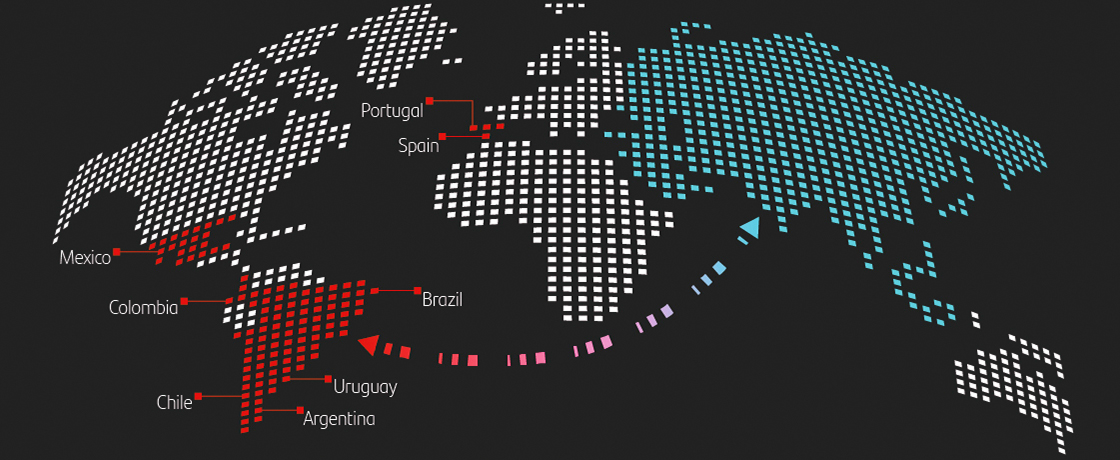
For merchants looking towards European expansion, the significance of Pix goes beyond Brazil. It’s reach now extends to eight countries: Portugal, Spain, France, the US, Argentina, Uruguay, Chile and Paraguay.
This demonstrates how quickly a locally relevant instant payment method can move from an alternative way to pay to an everyday part of commerce. It also highlights how deeply local payment preferences can become embedded in consumer behaviour – and why merchants entering new markets need to understand how customers there prefer to pay.